World / THE CONNECTED PICTURE
Oil and shipping: prices, passage and the route from disruption to impact
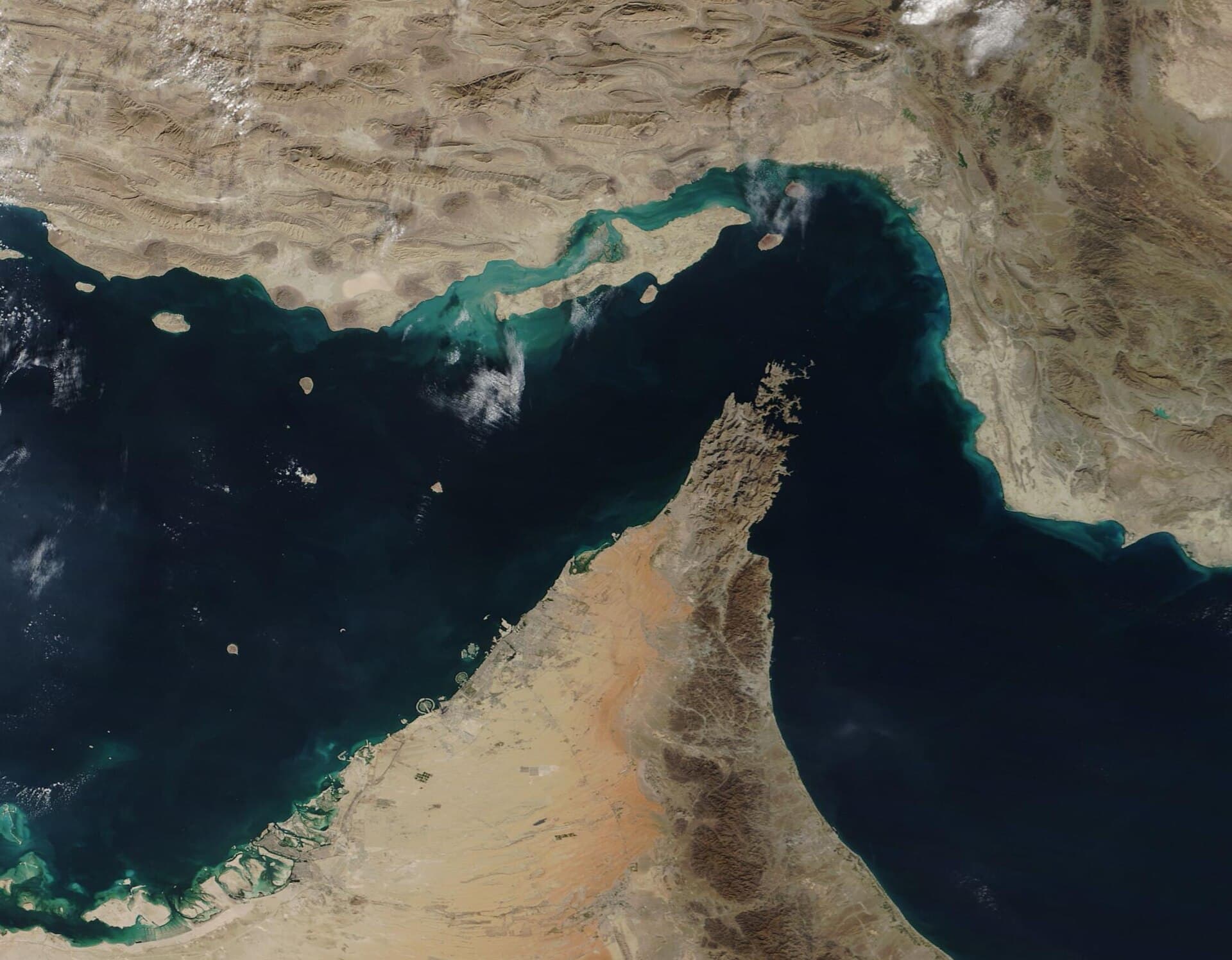
Follow oil-price and shipping-route questions, from the Strait of Hormuz to tanker events. Separate threats, verified disruption and the conditions for recovery.
25 source-linked storiesOpen and archived coverage
BEFORE THE NEXT HEADLINE
A useful way to read the story
A threat to a shipping route, a stopped vessel, a change in traffic, and an oil-price move are connected possibilities rather than interchangeable facts. To understand the potential impact, first identify which part of that sequence has actually been observed.
The articles here cover explicit oil-price questions and the routes, vessels and infrastructure named in related events. Some ask whether a disruption occurs; others ask whether traffic returns to a defined level or whether a price threshold is reached. A recovery headline can mean something narrower than normal conditions for every operator.
A useful reading separates physical activity from financial expectations. The date, source and baseline for a traffic measure matter as much as the headline. For a price question, verify the instrument and observation window rather than assuming that a general story about supply establishes the answer.
EVIDENCE TO LOOK FOR
The stated vessel, route or infrastructure record, or the exact oil-price observation specified.
AN ASSUMPTION TO QUESTION
Any disruption produces a predictable price move, or one passage proves full recovery.
A FEW PLACES TO BEGIN
See all 25 stories Start with these questions

FOLLOW EVERY THREAD
All oil & shipping stories
Highest recorded trading volume first.
Dates refer to each article’s analysis.
World·3 min read
Kharg Island: disruption of oil exports is different from a transfer of control
The island’s strategic importance explains the attention. The contract still requires another authority to establish actual control, not merely damage or a landing.
Analysis updated Read the story
Economy·5 min read
Is Strait of Hormuz shipping returning to normal? What the transit data shows
The latest available PortWatch daily records remain far below the market’s threshold. Ship counts, oil volumes and safe passage answer different questions.
Analysis updated Read the story
World·4 min read
Strait of Hormuz traffic returns to normal by September 30: the evidence and conditions to watch
A shipping route can be legally open and commercially unusable. For operators, a route’s usability depends on physical security, insurance, port access and dependable passage.
Analysis updated Read the story
Economy·3 min read
Will Crude Oil reach a new all-time high by December 31?
A new oil record depends on the contract and measurement chosen. This event uses the active CME crude future’s daily high, so neither a retail gasoline price nor a different benchmark settles it.
Analysis updated Read the story
World·4 min read
Iran charges Hormuz fees by October 31: the evidence and conditions to watch
A shipping route can be legally open and commercially unusable. For operators, a route’s usability depends on physical security, insurance, port access and dependable passage.
Analysis updated Read the story
World·4 min read
Iran-Oman Hormuz Agreement by October 31: the evidence and conditions to watch
A shipping route can be legally open and commercially unusable. For operators, a route’s usability depends on physical security, insurance, port access and dependable passage.
Analysis updated Read the story
World·4 min read
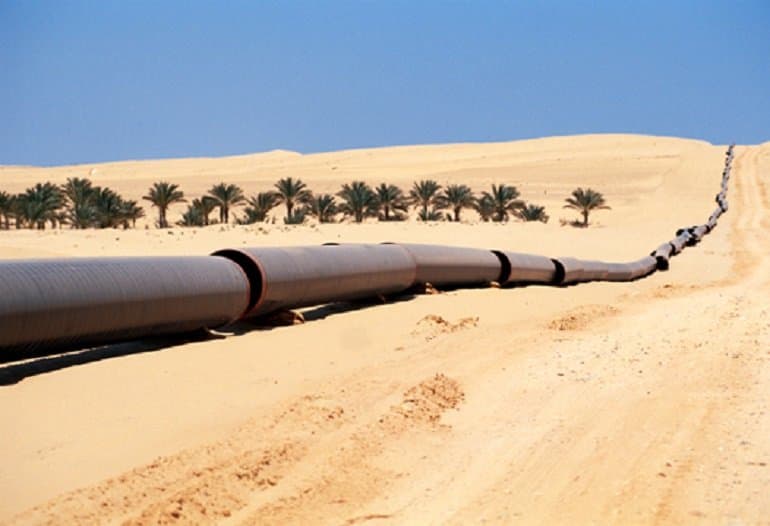
Saudi Oil Pipeline (East-West) restarts by October 31: the evidence and conditions to watch
A shipping route can be legally open and commercially unusable. For operators, a route’s usability depends on physical security, insurance, port access and dependable passage.
Analysis updated Read the story
World·4 min read
Strait of Hormuz traffic returns to normal by October 31: the evidence and conditions to watch
A shipping route can be legally open and commercially unusable. For operators, a route’s usability depends on physical security, insurance, port access and dependable passage.
Analysis updated Read the story
World·4 min read
US-Iran Hormuz Agreement by October 15: the evidence and conditions to watch
A shipping route can be legally open and commercially unusable. For operators, a route’s usability depends on physical security, insurance, port access and dependable passage.
Analysis updated Read the story
World·4 min read
US charges Hormuz fees by December 31, 2026: the evidence and conditions to watch
A shipping route can be legally open and commercially unusable. For operators, a route’s usability depends on physical security, insurance, port access and dependable passage.
Analysis updated Read the story
World·4 min read
0 ships transit Hormuz on any date by: the evidence and conditions to watch
A shipping route can be legally open and commercially unusable. For operators, a route’s usability depends on physical security, insurance, port access and dependable passage.
Analysis updated Read the story
Economy·3 min read
What will WTI Crude Oil (WTI) hit in October 2026?
This WTI event follows ICE futures through Pyth, while another oil market may follow CME. A price claim without the venue, active contract and session can therefore answer the wrong question.
Analysis updated Read the story
Showing 1–12 of 25 stories
THE QUESTIONS BEHIND THE QUESTIONS
Worth knowing
Clear distinctions make the next headline easier to assess.
Does one ship passing through a route prove traffic is normal?
No. A single passage and a measured return to a defined traffic level are different claims. Check what baseline and observation window the recovery question actually requires.
Does an oil-price move prove its cause?
Not by itself. A price can move while several developments are occurring. The article should distinguish a plausible explanation from evidence establishing causation.
Why are oil-price and shipping contracts separate?
One measures a financial observation and the other a physical or official event. They may be related, but the occurrence of one does not mechanically establish the resolution of the other.
GO TO THE UNDERLYING RECORD
Sources used in the starting stories
These are selected references from the articles above. Each story carries its full source list and the date its evidence was checked.
- UN Global Platform / IMF PortWatch: Hormuz daily transits, September 21–27, 2026; retrieved October 4 at 12:05 UTC services9.arcgis.com
- IMF PortWatch: dataset ownership, transit definitions and methodology arcgis.com
- US EIA: World Oil Transit Chokepoints, first-half 2025 baseline eia.gov
- IMO: Uncertainty for seafarers in the Strait of Hormuz imo.org
- IMF PortWatch: designated Strait of Hormuz dashboard portwatch.imf.org