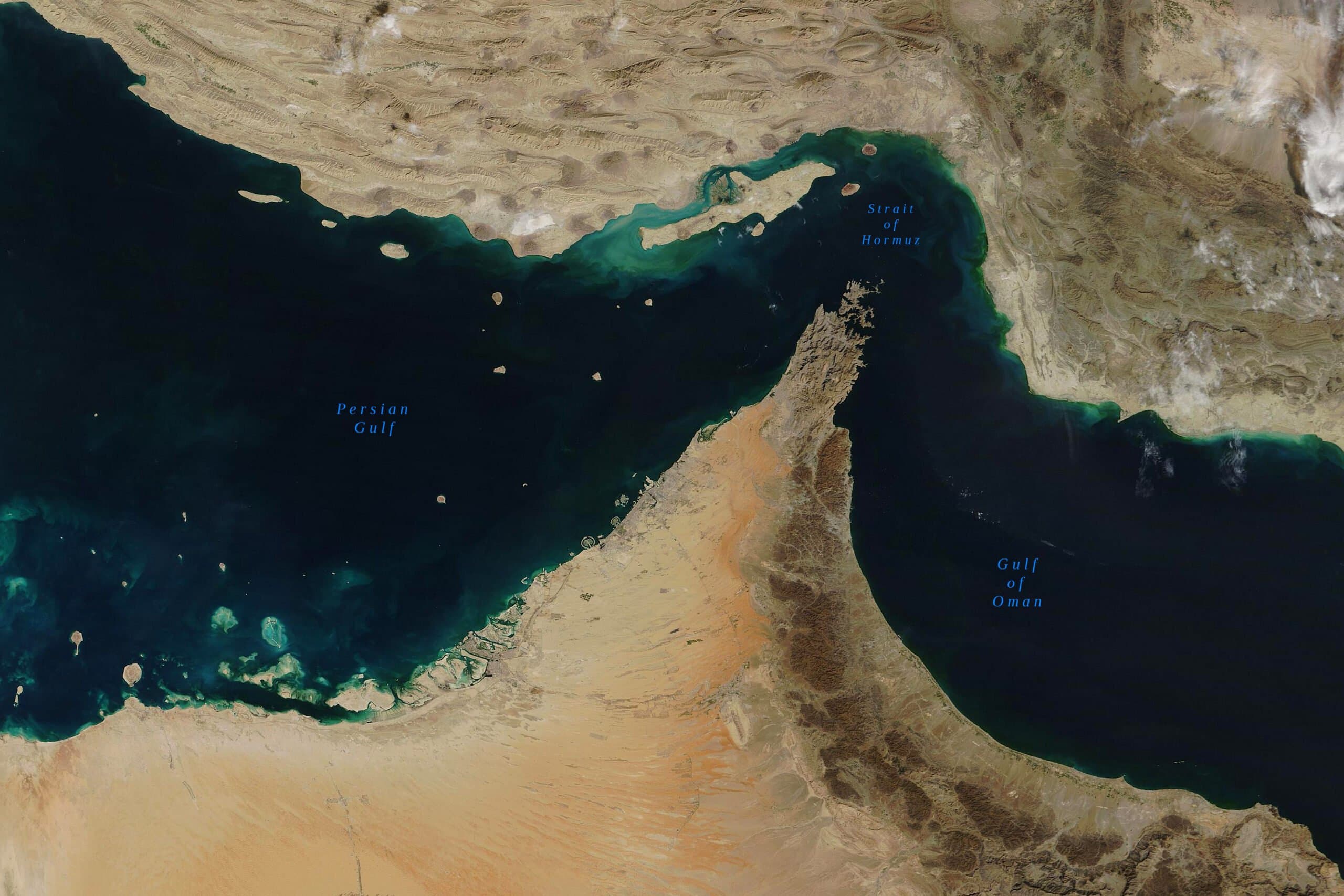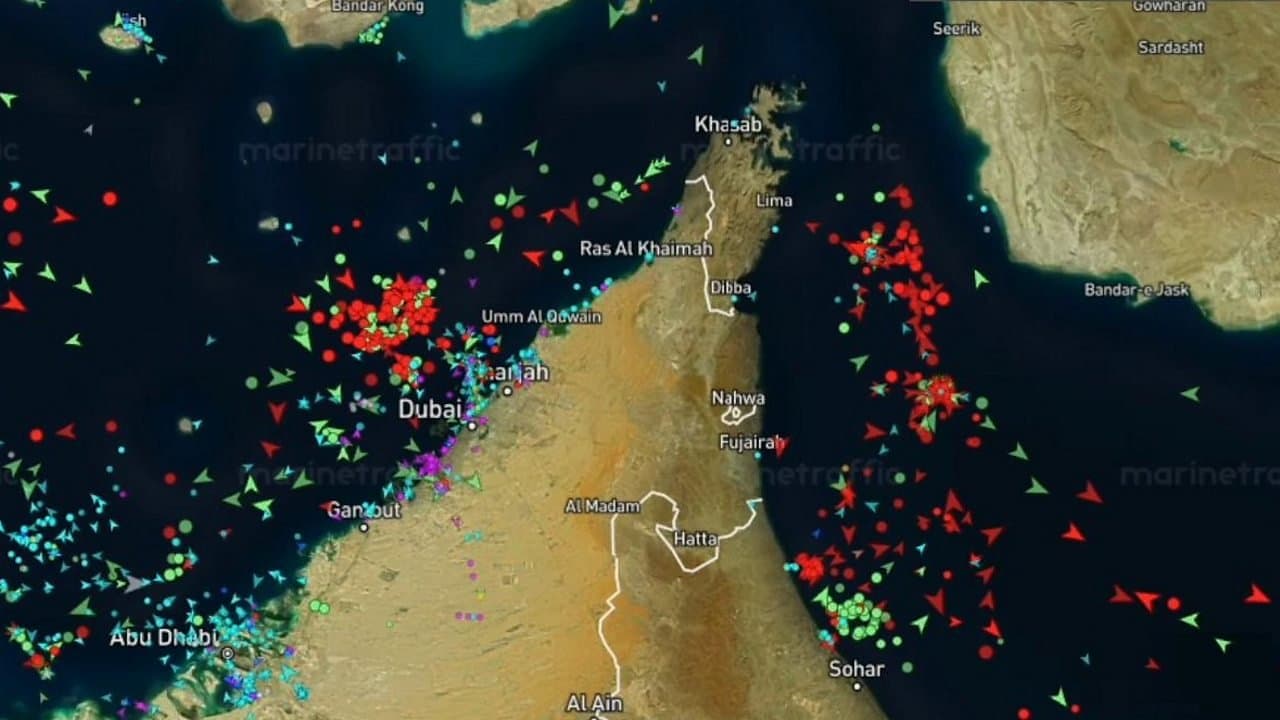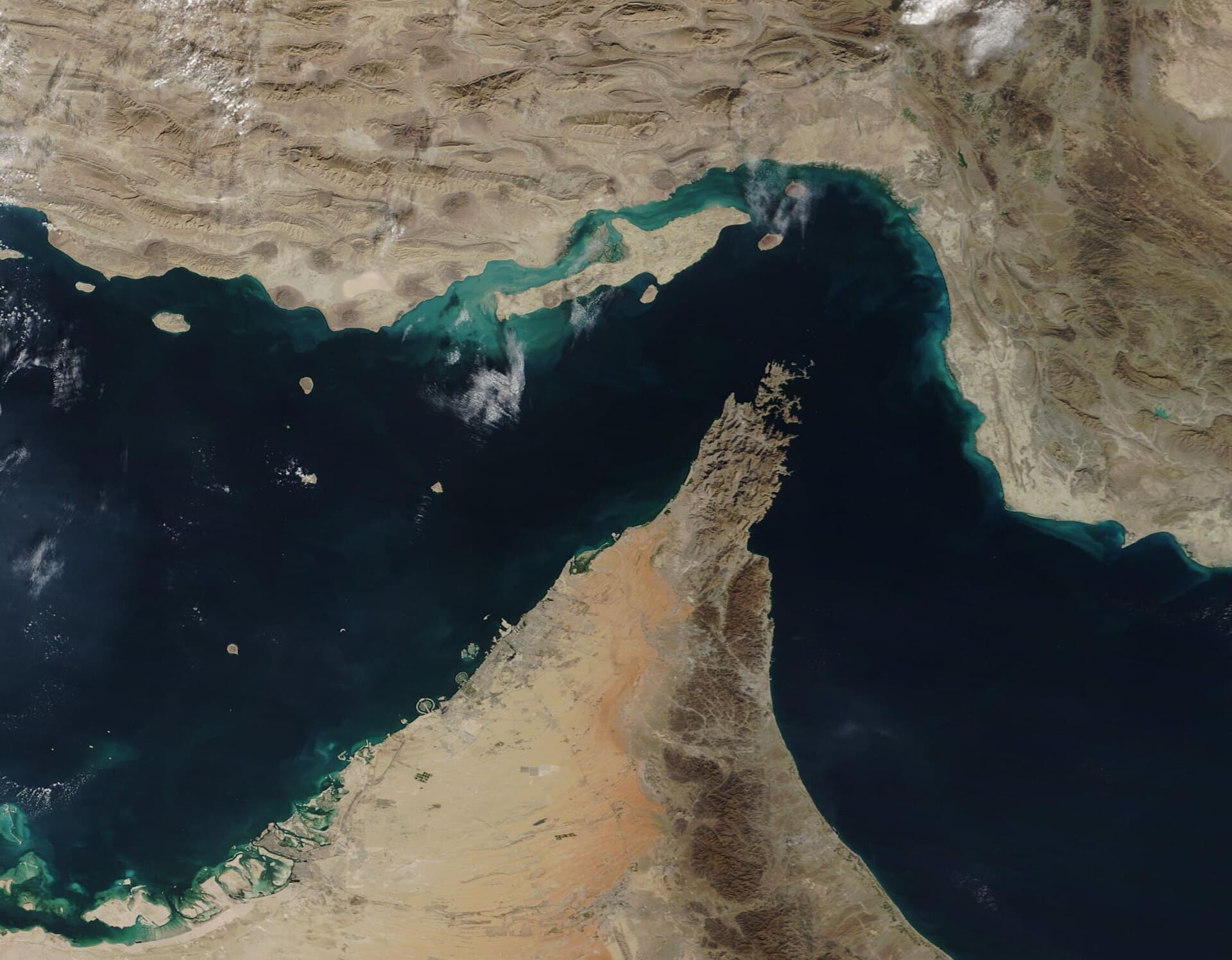
Strait of Hormuz traffic returns to normal by December 31?
The conditions, incentives and evidence that could shape the answer.What the latest available Hormuz records show
We checked the IMF PortWatch dataset on October 4 at 12:05 UTC. Its most recent available observation was September 27. Daily total transit calls from September 21 through 27 were 2, 3, 4, 5, 3, 4 and 1. Together they equal 22; dividing by seven gives 3.14 recorded transits per day. This is our calculation from the underlying records, not a claim that PortWatch has published that number as the contract’s official moving-average observation. [1]
The reporting lag is consequential. These figures describe that September window, not the number of vessels crossing while you read. They are far below the contract’s threshold of 60, but they cannot establish whether newer, unpublished activity has improved. The correct comparison keeps the observation dates, retrieval time and measurement definition visible. A data gap is not a zero. [1][6]
Why this narrow waterway matters beyond a ship count
The US Energy Information Administration estimates that Hormuz carried 20.9 million barrels of oil per day in the first half of 2025, roughly one-fifth of global petroleum-liquids consumption. That dated baseline explains the strait’s economic significance; it is not a current-flow estimate. Disruption can affect energy supply far beyond the ships and ports directly involved. [3]
The human constraint is also concrete. In an August 28 statement, the International Maritime Organization described up to 400 ships and around 6,000 seafarers unable to depart safely. Those were the IMO’s figures on that date, not a newly verified October count. A recovery therefore involves the practical ability to move ships and crews safely, as well as the statistical question of whether more crossings are recorded. [4]
Three different meanings of “normal traffic”
PortWatch derives transit calls from vessel-position signals and covers container, dry-bulk, general-cargo, roll-on/roll-off and tanker vessels. Its trade-volume estimates are a separate calculation using vessel characteristics and estimated payload. Consequently, more ships need not mean proportionately more barrels or cargo tonnage: a changing mix of vessel types and loads can change the relationship. [2]
Our interpretation is that readers should distinguish recorded vessel activity, economic throughput and navigational safety. A visible increase in one is encouraging evidence about that measure, but cannot establish all three. Claims of recovery are more useful when they identify the metric and dates and can be checked against the original series. A dramatic crossing announcement deserves follow-up: did subsequent days show sustained, broad activity, or was the report describing one exceptional movement?
What would meet the year-end traffic contract?
The market has a specific definition of recovery: IMF PortWatch must publish a seven-day moving average of at least 60 transit calls for an eligible date through December 31, 2026. Only the covered and reported vessels count. One qualifying observation is sufficient; the rule does not require that level to persist indefinitely. Our October 4, 09:57 UTC quote was 19.5% for Yes. [5][6]
Watch the official series for newly published dates, the rolling average and any documented corrections. A previously qualifying published point is not invalidated by a later downward revision under the contract, although obvious clerical errors have a correction window. Differences between PortWatch and an alternative vessel tracker are not, by themselves, the contract’s definition of a data-integrity error. That is why a headline declaring the strait “open” cannot substitute for the specified evidence. [6]
WEIGH BOTH SIDES
What would change the outlook?
PortWatch publishes a qualifying seven-day average of at least 60 Hormuz transit calls. [6]
Quoted market evidence: Oct 4, 2026, 09:57 UTC. The live market panel may show a newer observation.
Successive published daily increases across the covered vessel categories would support recovery; the required average itself is decisive.
The observed September window remains far below the threshold, and later activity cannot be assumed from missing data. [1]
The next signals to watch
The preserved Yes quote was 19.5%; it is not an estimate of what fraction of normal oil flow has returned. [5]
Compare like-for-like data and ask whether recovery is demonstrated in the specific measure you care about.
A FEW GOOD QUESTIONS
What else should you know?
How many ships recently passed through Hormuz?
The retrieved PortWatch series records 22 transits across September 21–27, 2026. It does not provide a verified live October 4 count. [1]
Does a ship-count recovery mean oil flows are normal?
No. Vessel counts and estimated cargo volumes are different indicators, and the mix of ships matters. [2]
Must traffic remain normal for the rest of 2026?
No. This contract requires one qualifying published seven-day average within its specified observation window. [6]
CHECK THE EVIDENCE
Sources & further reading
- UN Global Platform / IMF PortWatch: Hormuz daily transits, September 21–27, 2026; retrieved October 4 at 12:05 UTC ↗services9.arcgis.com
- IMF PortWatch: dataset ownership, transit definitions and methodology ↗arcgis.com
- US EIA: World Oil Transit Chokepoints, first-half 2025 baseline ↗eia.gov
- IMO, August 28, 2026: statement on the Hormuz crisis ↗imo.org
- Polymarket: Hormuz traffic recovery by December 31 ↗polymarket.com
- Polymarket: exact PortWatch threshold and publication rules ↗polymarket.com
- IMF PortWatch: designated Strait of Hormuz dashboard ↗portwatch.imf.org
Published . AI-assisted, source-linked analysis. We distinguish evidence from interpretation; this article does not establish a trading edge. How we work →