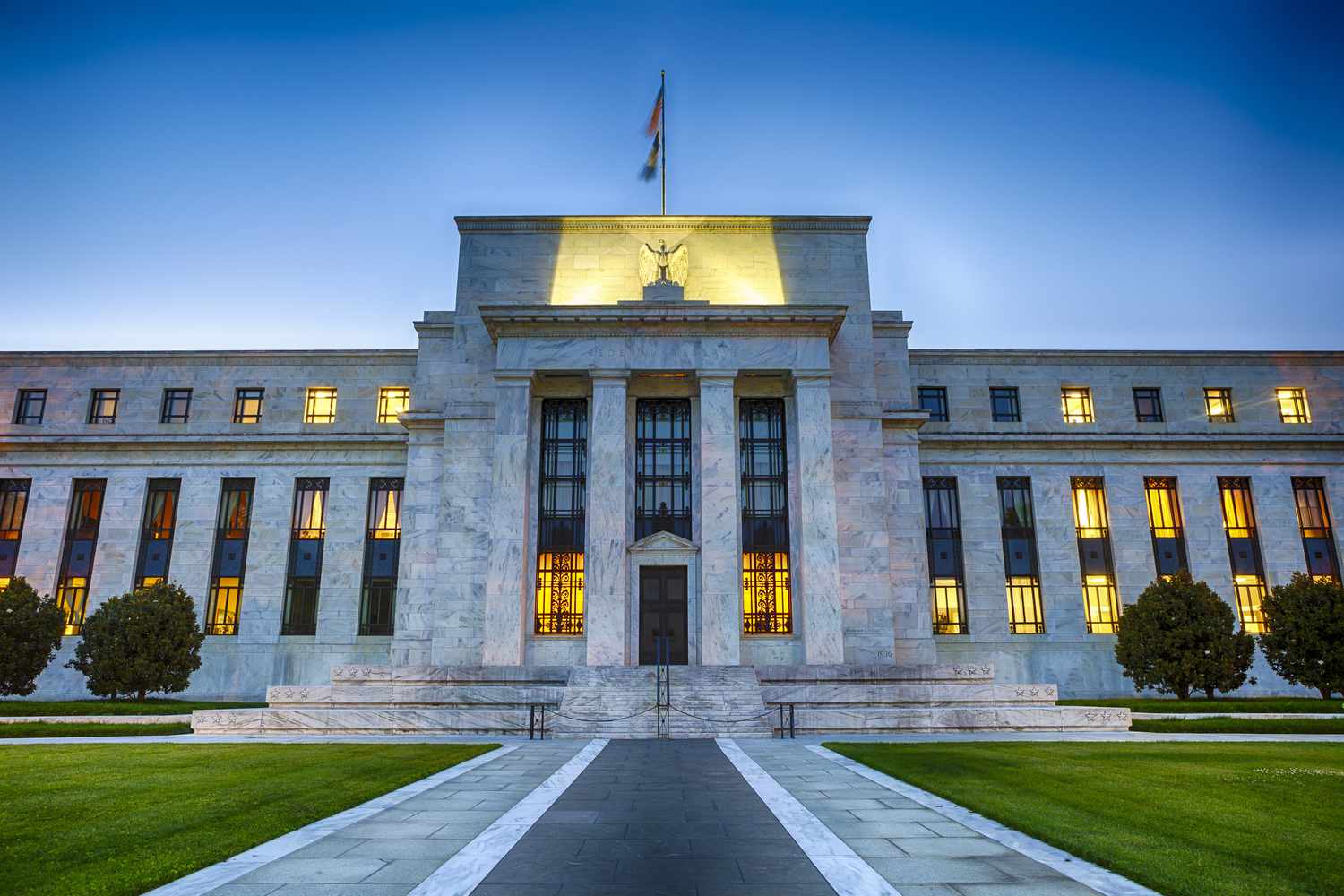
Fed decisions (Sep–Dec)
The conditions, incentives and evidence that could shape the answer.The question behind the headline
A sequence forecast contains more information than a final-rate forecast. Hike–pause–hike and pause–hike–hike can end at the same rate yet resolve differently.
At the October 4, 2026 market snapshot, Hike–Pause–Hike carried a 63.5% Yes price. Other open contracts included Hike–Pause–Pause at 22.5%; Hike–Hike–Hike at 10.5%. [1]
The condition that changes the answer
Read the upper-bound change at the September 15–16, October 27–28 and December 8–9 meetings, in order. Any cut or unlisted combination resolves Other; emergency changes do not count. [1]
The final leg is the December 8–9, 2026 decision. [1]
Evidence for and against the leading outcome
The leading path needs every listed meeting direction to match; the later legs must remain consistent with incoming evidence.
One mismatching leg defeats a sequence even when the total change over the three meetings is correct.
The next useful checks are september statement as the fixed first leg; october direction; december direction. The linked primary references make the process and named data source inspectable. [2][3]
A closer look at the market
The leading listed option was 41.00 percentage points above the next quoted option. That difference measures market pricing, not a vote margin or a measured lead in real-world evidence. A price above 50% still leaves room for another outcome; it is not a guarantee or an independently validated forecast.
The event had approximately $230,459 in total traded volume at observation. That is a record of turnover across this event, not a count of distinct people, a search-volume estimate or proof that every child contract is easy to trade. The analytical quote is fixed to the timestamp shown here; later live prices can differ. [1]
The useful conclusion is conditional: the leading option needs to satisfy the whole outcome definition, not just one favorable part of the story.
WEIGH BOTH SIDES
What would change the outlook?
Hike–Pause–Hike
Quoted market evidence: Oct 4, 2026, 09:57 UTC. The live market panel may show a newer observation.
The leading path needs every listed meeting direction to match; the later legs must remain consistent with incoming evidence.
One mismatching leg defeats a sequence even when the total change over the three meetings is correct.
The next signals to watch
- September statement as the fixed first leg
- October direction
- December direction
The analysis starts from 63.5% for the Yes side of “Hike–Pause–Hike”. A view merely agreeing that this is plausible does not show that the price understates it. The probability, rule and remaining time all have to be compared. [1]
The useful conclusion is conditional: the leading option needs to satisfy the whole outcome definition, not just one favorable part of the story.
A FEW GOOD QUESTIONS
What else should you know?
What exactly would settle this market?
Read the upper-bound change at the September 15–16, October 27–28 and December 8–9 meetings, in order. Any cut or unlisted combination resolves Other; emergency changes do not count. [1]
What is the deadline, and can settlement come later?
The final leg is the December 8–9, 2026 decision. [1]
Does the quoted probability show an advantage?
No. 63.5% is the observed Yes price for “Hike–Pause–Hike”, not a verified probability from independent research. A useful assessment needs evidence that changes the expected chance under the exact rules, plus the actual price available at the time. [1]
CHECK THE EVIDENCE
Sources & further reading
- Polymarket — event, child contracts and resolution rules ↗polymarket.com
- Federal Reserve — policy decisions and framework ↗federalreserve.gov
- Federal Reserve — policy decisions and framework ↗federalreserve.gov
Published . AI-assisted, source-linked analysis. We distinguish evidence from interpretation; this article does not establish a trading edge. How we work →