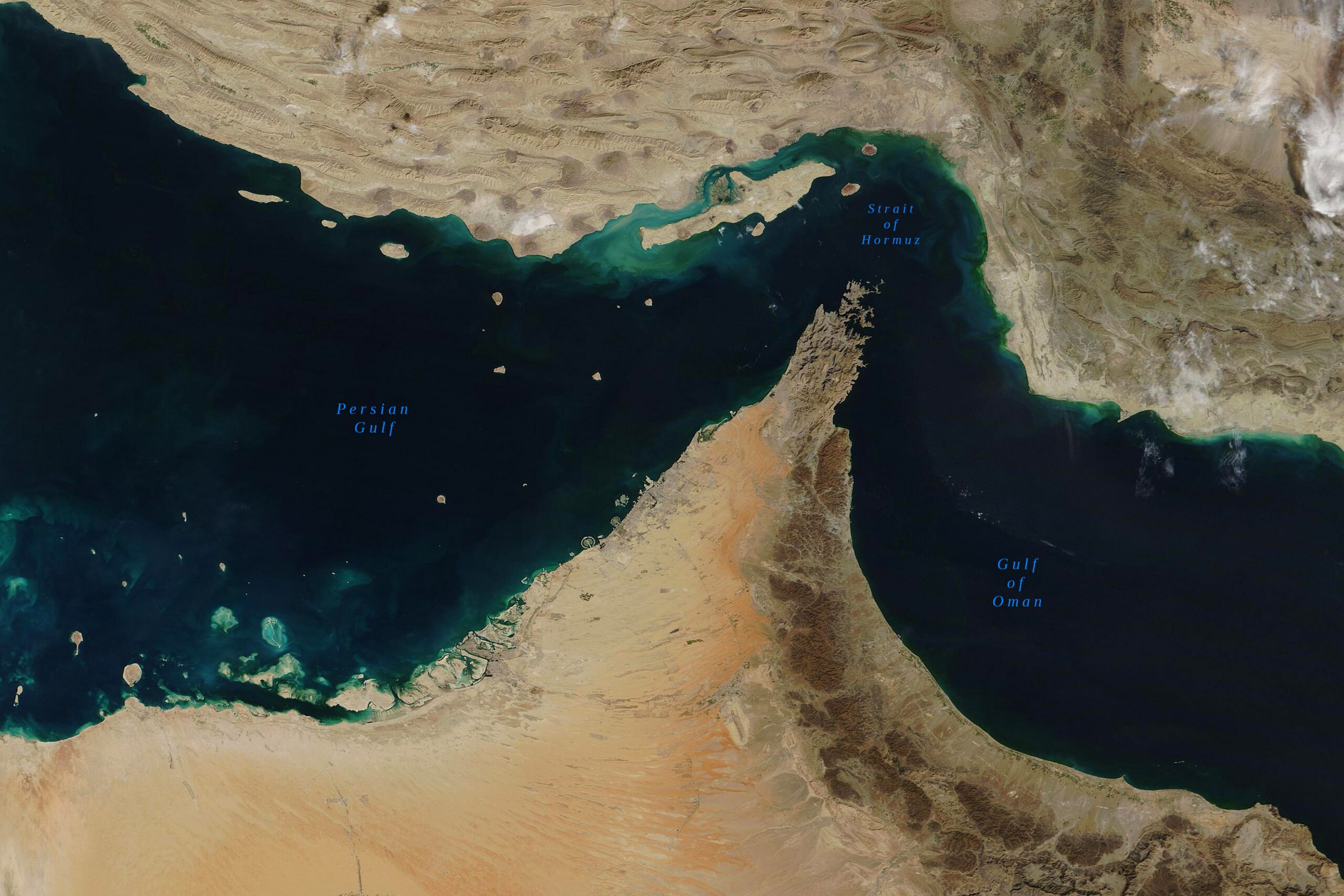
Strait of Hormuz traffic returns to normal by December 31?
The conditions, incentives and evidence that could shape the answer.The question behind the headline
Normal traffic has a precise and limited meaning here: a seven-day ship-count average of at least 60. It is not a direct measure of oil volume, insurance cost or the safety of every transit.
At the October 4, 2026 market snapshot, Strait of Hormuz traffic returns to normal by December 31? carried a 19.5% Yes price. [1]
The condition that changes the answer
IMF PortWatch must publish a seven-day moving average of Hormuz transit calls at or above 60. Its covered cargo and tanker categories count; unreported vessels do not. A qualifying published value survives later downward revisions. [1]
Observation ends December 31, 2026, with 14 calendar days for missing final data. Obvious clerical errors may allow a three-day correction window. [1]
Evidence for and against the leading outcome
A sustained enough recovery in counted transits lifts the moving average to the required level.
One busy day may not lift seven days’ average enough; a different ship mix can restore counts without restoring the same cargo volume.
The next useful checks are portWatch seven-day average; covered ship categories; publication dates and error corrections. The linked primary references make the process and named data source inspectable. [2][3]
A closer look at the market
The Yes price of 19.5% corresponds to a simple opposite-side remainder of 80.5% before spreads, fees and quote differences. That arithmetic describes a binary proposition; it does not supply an independent estimate of the chance of success.
The event had approximately $13,992,306 in total traded volume at observation. That is a record of turnover across this event, not a count of distinct people, a search-volume estimate or proof that every child contract is easy to trade. The analytical quote is fixed to the timestamp shown here; later live prices can differ. [1]
The useful conclusion is conditional: check the exact milestone before interpreting the price as a view on the larger story.
WEIGH BOTH SIDES
What would change the outlook?
Strait of Hormuz traffic returns to normal by December 31? — Yes
Quoted market evidence: Oct 4, 2026, 09:57 UTC. The live market panel may show a newer observation.
A sustained enough recovery in counted transits lifts the moving average to the required level.
One busy day may not lift seven days’ average enough; a different ship mix can restore counts without restoring the same cargo volume.
The next signals to watch
- PortWatch seven-day average
- Covered ship categories
- Publication dates and error corrections
The analysis starts from 19.5% for the Yes side of “Strait of Hormuz traffic returns to normal by December 31?”. A view merely agreeing that this is plausible does not show that the price understates it. The probability, rule and remaining time all have to be compared. [1]
The useful conclusion is conditional: check the exact milestone before interpreting the price as a view on the larger story.
A FEW GOOD QUESTIONS
What else should you know?
What exactly would settle this market?
IMF PortWatch must publish a seven-day moving average of Hormuz transit calls at or above 60. Its covered cargo and tanker categories count; unreported vessels do not. A qualifying published value survives later downward revisions. [1]
What is the deadline, and can settlement come later?
Observation ends December 31, 2026, with 14 calendar days for missing final data. Obvious clerical errors may allow a three-day correction window. [1]
Does the quoted probability show an advantage?
No. 19.5% is the observed Yes price for “Strait of Hormuz traffic returns to normal by December 31?”, not a verified probability from independent research. A useful assessment needs evidence that changes the expected chance under the exact rules, plus the actual price available at the time. [1]
CHECK THE EVIDENCE
Sources & further reading
- Polymarket — event, child contracts and resolution rules ↗polymarket.com
- portwatch.imf.org — official source ↗portwatch.imf.org
- portwatch.imf.org — official source ↗portwatch.imf.org
Published . AI-assisted, source-linked analysis. We distinguish evidence from interpretation; this article does not establish a trading edge. How we work →