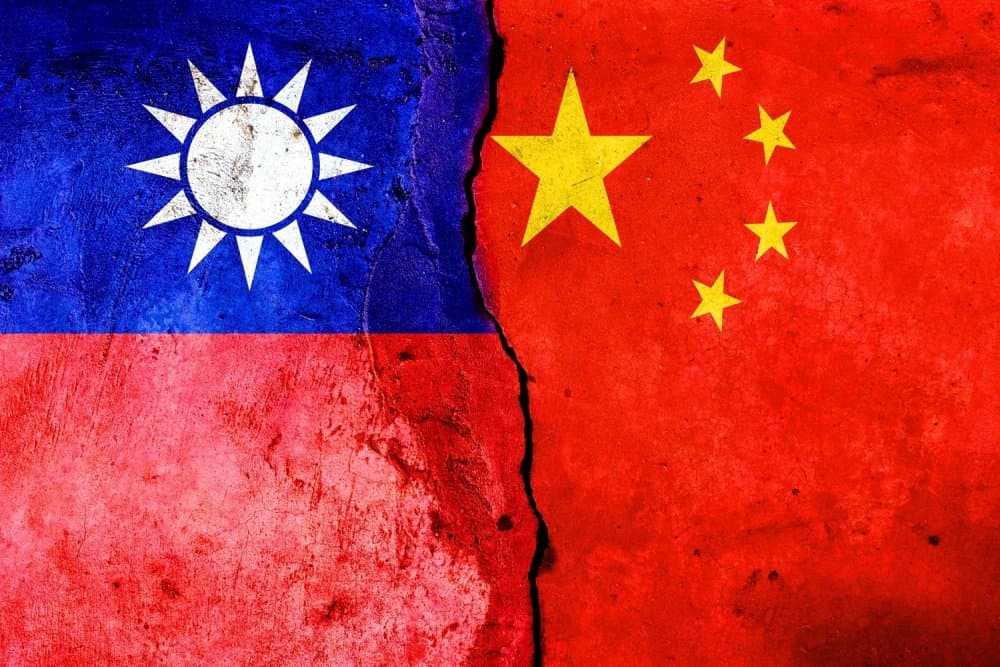
Will China invade Taiwan by end of 2026?
The conditions, incentives and evidence that could shape the answer.What the public assessments say about an invasion timeline
The strongest official source reviewed is the US intelligence community’s 2026 Annual Threat Assessment, based on information available through March 14. It assessed that Chinese leaders did not then plan an invasion in 2027 and had no fixed timeline for unification. The report also described continuing military preparations. Read those points together: preparations create options, while an assessment of present intentions can change. [1]
A newer Reuters report on October 1 said US officials increasingly considered an invasion before 2028 unlikely, citing two current US officials, a former official and another informed person. It described readiness constraints and Taiwan’s 2028 election as considerations. Because the sources were anonymous and the assessment is not a Chinese commitment, the report should be treated as attributed evidence, not a promised period of safety. [2]
Why “ready by 2027” does not mean “invading in 2027”
The readiness benchmark discussed in Reuters’ reporting concerns the availability of a military option. It does not establish that the political decision to use that option has been taken. An institution can prepare for a contingency while its leaders prefer to avoid its costs. The distinction matters because a headline that turns a capability target into an invasion appointment conveys more certainty than the underlying evidence permits. [2]
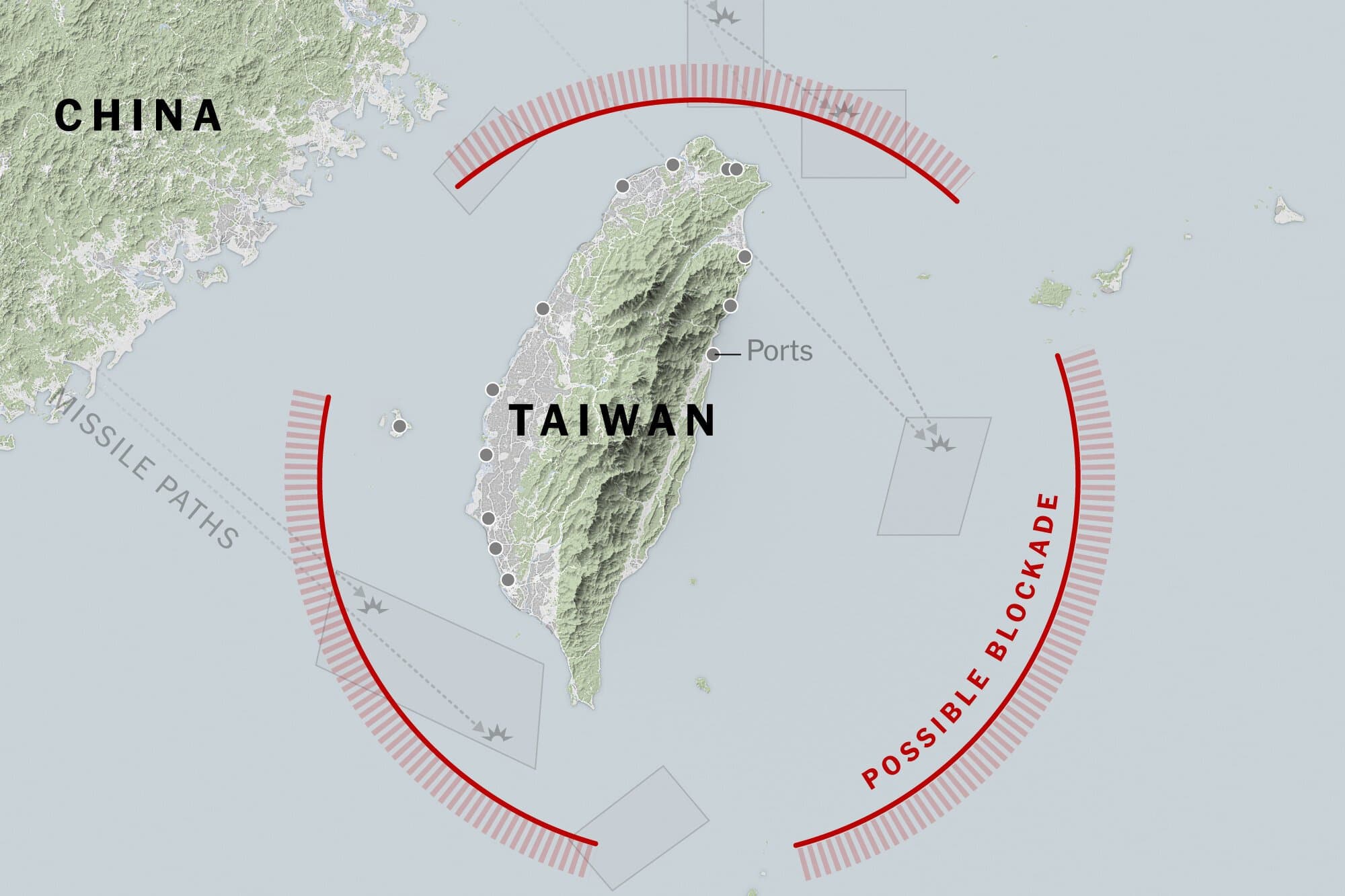
Taiwan’s 2025 National Defense Report describes multiple forms of pressure and military danger, including blockade, strikes and invasion. They pose different risks to people, shipping and the economy. Our interpretation is that a coercive episode could be serious even without an amphibious assault, while an exercise could increase tension without becoming a territorial offensive. Avoid treating every threatening development as either harmless theater or the start of the same inevitable sequence. [3]
Which evidence would materially change the outlook?
The intelligence assessment identifies military readiness, Taiwan’s politics and the prospect of US intervention as relevant considerations. These are interacting constraints, not a reliable countdown. A change in one may affect the others, and outside observers cannot directly inspect every decision. A public assessment should therefore carry its date and institutional perspective whenever it is used to explain present risk. [1]
For readers, the useful test is specificity. Does a report identify what happened, where and when? Is it an observed event, an official threat, an exercise announcement or an inference about intent? Seek corroboration from Taiwan’s authorities, other governments and independent reporting, while recognizing that an official statement can itself be contested. Repetition of one claim across social accounts is not independent confirmation. A substantiated commencement of a territorial offensive would be categorically stronger evidence than another discussion of future capability.
How the Taiwan invasion contract differs from the broader risk
The October 4, 09:57 UTC snapshot priced Yes at 2.2% for an offensive commencing by the end of 2026. That quote addresses a short, defined window. It cannot be read as a 2.2% estimate of all future conflict, a probability of successful conquest, or evidence that civilians face no other forms of pressure. [4][5]
The written rule requires an offensive intended to establish control over Taiwan-administered territory. Inhabited islands qualify; uninhabited islands do not. The attack need only commence within the deadline, so success is not required. Conversely, a headline describing a blockade or an exercise is insufficient by itself: the reported conduct and purpose must meet the territorial-offensive definition. The linked contract is useful only alongside that precise distinction. [5]
WEIGH BOTH SIDES
What would change the outlook?
China commences a qualifying offensive against inhabited Taiwan-administered territory before the end of 2026. [5]
Quoted market evidence: Oct 4, 2026, 09:57 UTC. The live market panel may show a newer observation.
Credibly corroborated evidence of an offensive intended to seize qualifying territory would support Yes; an accomplished conquest is unnecessary. [5]
The next signals to watch
- Dated official evidence identifying the action and territory involved.
- Independent corroboration distinguishing observed events from inferred intent.
- Any new official assessment that explains what changed from earlier judgments.
The preserved 2.2% quote concerns this contract through December 31, not lifetime conflict risk. [4][5]
Keep a low estimated probability separate from the severity of the consequences, and keep the exact contract separate from the broader security outlook.
A FEW GOOD QUESTIONS
What else should you know?
Does the 2027 readiness target prove China will invade then?
No. The reported target concerns capability; a decision to execute an invasion is a separate question. [2]
Would a blockade automatically settle this market Yes?
No. The conduct must satisfy the written definition of a military offensive intended to establish territorial control. The label alone is insufficient. [5]
Does China have to conquer Taiwan for Yes to win?
No. Commencement of the qualifying offensive is enough. Inhabited Taiwan-administered islands count; uninhabited ones do not. [5]
CHECK THE EVIDENCE
Sources & further reading
- ODNI: 2026 Annual Threat Assessment, information through March 14 ↗dni.gov
- Reuters, October 1, 2026: attributed US assessments of the Taiwan timeline ↗investing.com
- Taiwan Ministry of National Defense: 2025 National Defense Report ↗mnd.gov.tw
- Polymarket: China invasion of Taiwan before 2027 ↗polymarket.com
- Polymarket: exact Taiwan territorial-offensive contract ↗polymarket.com
Published . AI-assisted, source-linked analysis. We distinguish evidence from interpretation; this article does not establish a trading edge. How we work →