Natural Disaster in 2026?
The conditions, incentives and evidence that could shape the answer.What this event actually asks
The useful question is precise: Natural Disaster in 2026? In the API observation at 09:57 UTC on 2026-10-04, the selected contract’s first listed outcome was priced at 8.5%. The parent event had recorded $247,805 in cumulative volume. This is turnover across the event, not a count of independent forecasters or proof that this outcome is correctly priced. [1][2]
The Yes condition is that any of the following conditions are met during 2026 ET: [2]
The combination changes the probability question
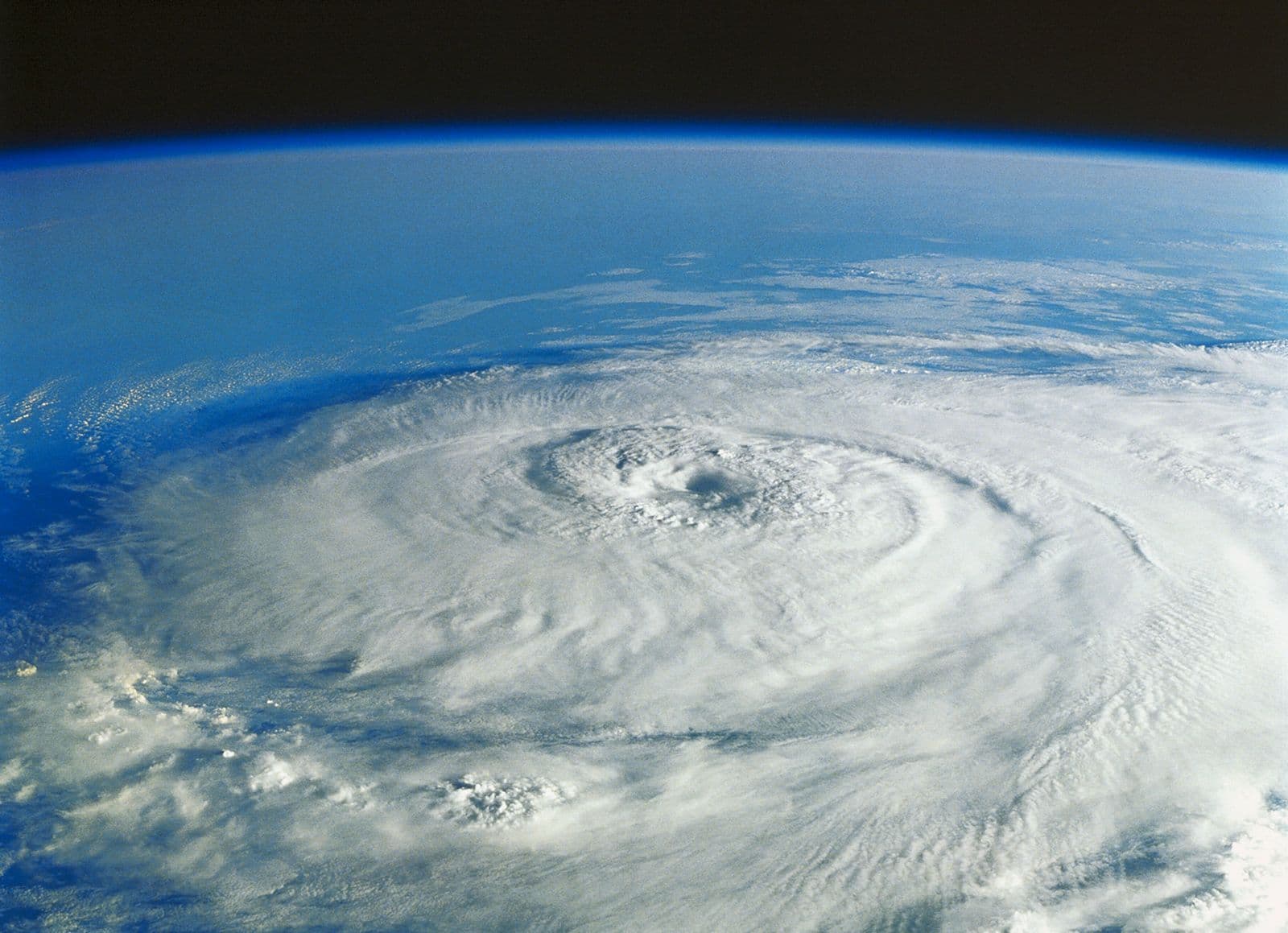
One qualifying trigger is enough: the specified U.S. Category 5 landfall, 10-kiloton meteor event, VEI-6 eruption or magnitude-8.5 earthquake. It is a union of defined events, not an unrestricted definition of a natural disaster. [2]
The component events may be related, so multiplying their standalone prices is not automatically valid. For example, a peace agreement and a ceasefire can share the same negotiation process. Before assessing the combined contract, identify which observations are independent and which arise from one underlying development.
One component can change the entire contract
Track each required condition against its own full definition. A market’s shorthand list is not a substitute for the linked specification, especially where geographic, duration or confirmation thresholds differ. [2]
Our interpretation is that the strongest review is a component-by-component evidence table. Do not infer that a bundle is attractive simply because several individual outcomes sound plausible.
The next useful checkpoint
The selected contract is “Natural Disaster in 2026?”. Its written rules use ET. The API schedule is 2027-03-01T04:59:00Z; that schedule does not replace the rule’s event and reporting cutoffs. [2]
Our reading is conditional: compare the next primary record with the exact threshold above, then revisit the case if the evidence contradicts it. A high quoted chance does not establish certainty; a low quote does not make the event impossible. The value of the article is a clearer test of the claim, not an asserted trading advantage.
WEIGH BOTH SIDES
What would change the outlook?
Natural Disaster in 2026?
Quoted market evidence: Oct 4, 2026, 09:57 UTC. The live market panel may show a newer observation.
One qualifying trigger is enough: the specified U.S. Category 5 landfall, 10-kiloton meteor event, VEI-6 eruption or magnitude-8.5 earthquake. It is a union of defined events, not an unrestricted definition of a natural disaster. [2]
A mistaken reading of one component, or an unjustified assumption that component probabilities are independent, can overturn the case.
The next signals to watch
The selected contract’s first outcome was 8.5% at 09:57 UTC on 2026-10-04. That price is the observation being analyzed, not an independent estimate of fair value. The separately timestamped live panel may differ. [2]
Form a view by checking the specified event against the evidence above. Publicly available context can explain a price without proving that it is wrong; this article does not establish a positive trading edge.
A FEW GOOD QUESTIONS
What else should you know?
What exactly does this Polymarket event measure?
The Yes condition is that any of the following conditions are met during 2026 ET: [2]
What evidence matters most for this outcome?
A primary record that establishes the named action, authority and timing would strengthen the positive case. The evidence should identify the same event the contract measures. The full contract defines which sources and exceptions govern settlement. [2]
CHECK THE EVIDENCE
Sources & further reading
- Polymarket: Natural Disaster in 2026? — event and aggregate volume ↗polymarket.com
- Polymarket: Natural Disaster in 2026? — selected contract and full resolution rules ↗polymarket.com
- United Nations: Charter Article 97, appointing the Secretary-General ↗legal.un.org
Published . AI-assisted, source-linked analysis. We distinguish evidence from interpretation; this article does not establish a trading edge. How we work →