Measles cases in U.S. in 2026?
The conditions, incentives and evidence that could shape the answer.What this event actually asks
The useful question is precise: Will there be at least 10000 measles cases in the U.S. in 2026? In the API observation at 09:57 UTC on 2026-10-04, the selected contract’s first listed outcome was priced at 8.05%. The parent event had recorded $8,090,056 in cumulative volume. This is turnover across the event, not a count of independent forecasters or proof that this outcome is correctly priced. [1][2]
The Yes condition is that there have been the specified amount or more confirmed cases of Measles (Rubeola) in humans in the territory of the United States of America in 2026 according to the CDC case counter between January 1, 2026, 12:00 AM ET and December 31, 2026, 11:59 PM ET. [2]
The national counter and local outbreak reports answer different questions
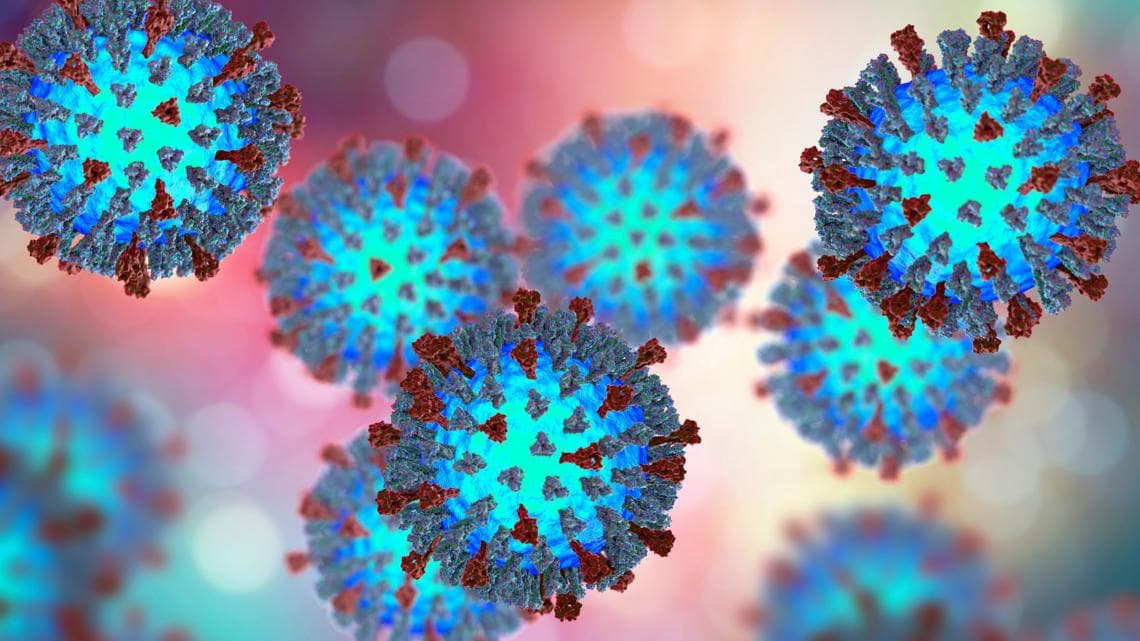
CDC explains that measles is highly contagious and can spread through the air. Its national case counter is the specific settlement source for this event, so a local report is useful epidemiological context without automatically being an additional eligible national case. [3][4]
The question is whether confirmed cases in the defined annual window cross a particular threshold. Reporting delays, later confirmation and duplicated reports can make a simple sum of headlines misleading. The public-health importance of an outbreak also depends on severity and vulnerable communities, not only its contribution to this market’s tally.
Which evidence would change the assessment?
A rising CDC count that reaches the specified threshold within the rule’s reporting framework would support the positive case.
A threshold can remain unmet even amid serious local outbreaks. Reports outside the CDC series do not independently satisfy this contract’s counting rule.
Only the CDC’s counter qualifies, even when state agencies report additional cases. [2]
The next useful checkpoint
Written-rule dates: January 1, 2026, December 31, 2026; 12:00 AM (ET). The selected contract and any reporting grace period govern settlement. [2]
Our reading is conditional: compare the next primary record with the exact threshold above, then revisit the case if the evidence contradicts it. A high quoted chance does not establish certainty; a low quote does not make the event impossible. The value of the article is a clearer test of the claim, not an asserted trading advantage.
WEIGH BOTH SIDES
What would change the outlook?
Will there be at least 10000 measles cases in the U.S. in 2026?
Quoted market evidence: Oct 4, 2026, 09:57 UTC. The live market panel may show a newer observation.
A rising CDC count that reaches the specified threshold within the rule’s reporting framework would support the positive case.
A threshold can remain unmet even amid serious local outbreaks. Reports outside the CDC series do not independently satisfy this contract’s counting rule.
The next signals to watch
- The CDC’s dated national total for the 2026 reporting year.
- Revisions and the distinction between reported, suspected and confirmed cases.
- The specific threshold selected; higher thresholds are different contracts.
The selected contract’s first outcome was 8.05% at 09:57 UTC on 2026-10-04. That price is the observation being analyzed, not an independent estimate of fair value. The separately timestamped live panel may differ. [2]
Form a view by checking the specified event against the evidence above. Publicly available context can explain a price without proving that it is wrong; this article does not establish a positive trading edge.
A FEW GOOD QUESTIONS
What else should you know?
What exactly does this Polymarket event measure?
The Yes condition is that there have been the specified amount or more confirmed cases of Measles (Rubeola) in humans in the territory of the United States of America in 2026 according to the CDC case counter between January 1, 2026, 12:00 AM ET and December 31, 2026, 11:59 PM ET. [2]
What evidence matters most for this outcome?
A rising CDC count that reaches the specified threshold within the rule’s reporting framework would support the positive case. The full contract defines which sources and exceptions govern settlement. [2]
CHECK THE EVIDENCE
Sources & further reading
- Polymarket: Measles cases in U.S. in 2026? — event and aggregate volume ↗polymarket.com
- Polymarket: Will there be at least 10000 measles cases in the U.S. in 2026? — selected contract and full resolution rules ↗polymarket.com
- CDC: Measles cases and outbreaks ↗cdc.gov
- CDC: About measles ↗cdc.gov
Published . AI-assisted, source-linked analysis. We distinguish evidence from interpretation; this article does not establish a trading edge. How we work →