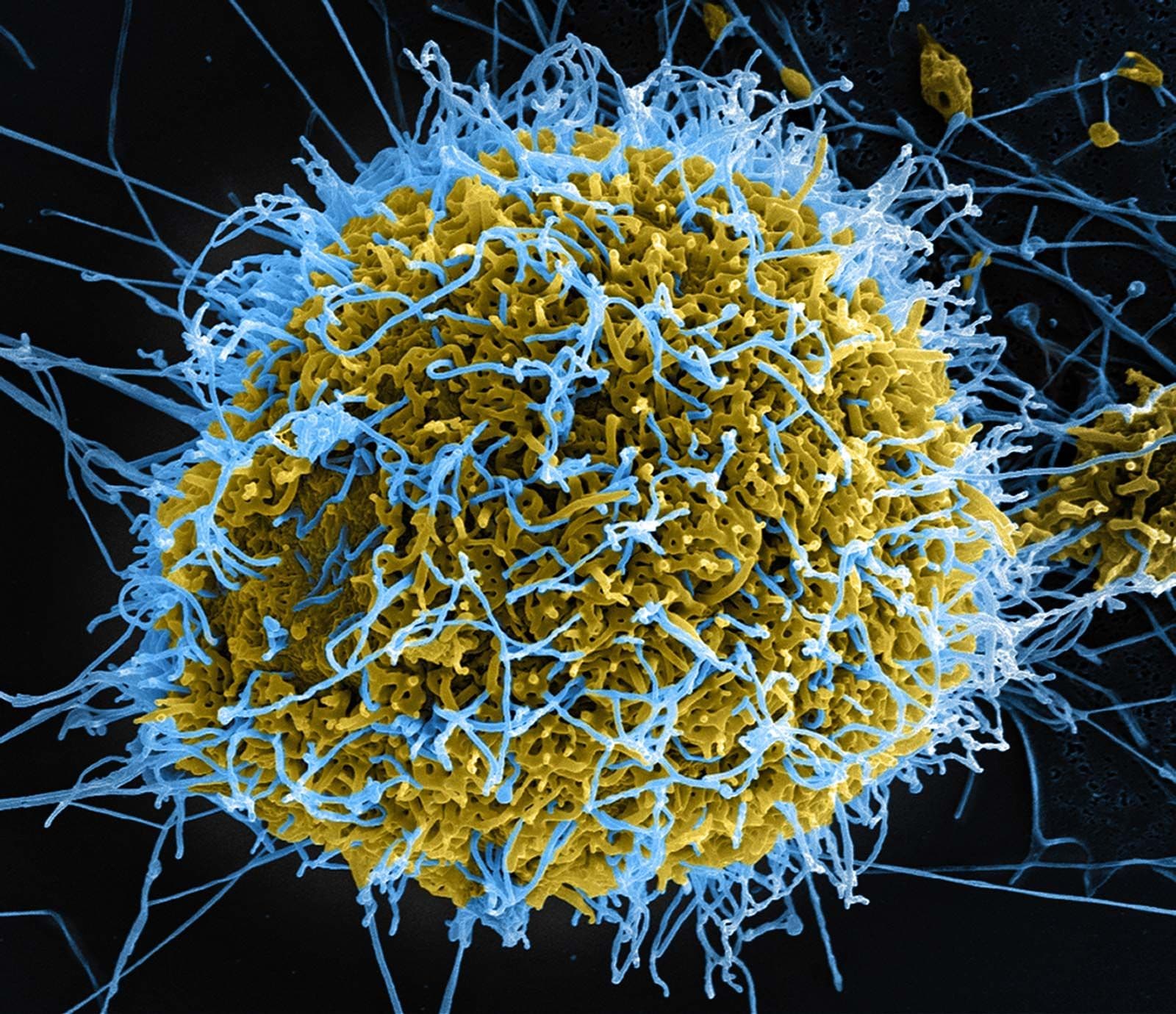
Ebola pandemic in 2026?
The conditions, incentives and evidence that could shape the answer.What this event actually asks
The useful question is precise: Ebola pandemic in 2026? In the API observation at 09:57 UTC on 2026-10-04, the selected contract’s first listed outcome was priced at 2.8%. The parent event had recorded $782,817 in cumulative volume. This is turnover across the event, not a count of independent forecasters or proof that this outcome is correctly priced. [1][2]
The Yes condition is that the World Health Organization explicitly characterizes Ebola virus disease, Ebola, any Ebola strain, or any outbreak of ebola as a “pandemic” in an official public communication during the interval from market creation to December 31, 2026, 11:59 PM ET. [2]
The formal wording matters more than the headline’s urgency
The written rule requires WHO to explicitly call the relevant outbreak a pandemic in an official public communication. A Public Health Emergency of International Concern alone does not qualify. [2]
WHO’s International Health Regulations describe an international framework for assessing and responding to health emergencies. The framework includes formal emergency determinations and recommendations. Those steps should be read precisely rather than treating every alert as an identical status. [3]
For the reader, seriousness and spread are important public-health questions even when the market’s terminology threshold has not been met. This contract does not estimate an individual’s infection risk, and it should not guide personal medical decisions.
Which evidence would change the assessment?
The named public-health authority’s explicit designation or verified data meeting the contract’s stated criterion would strengthen the positive case.
A monitoring alert, a media description or an increase in reporting alone may not satisfy the required formal status. Preliminary observations can change as surveillance improves.
Check whether a new report changes the evidence for the specified condition or merely repeats an existing claim. A price move can identify a question worth investigating without establishing its cause.
The next useful checkpoint
Written-rule date: December 31, 2026; 11:59 PM (ET). The selected contract and any reporting grace period govern settlement. [2]
Our reading is conditional: compare the next primary record with the exact threshold above, then revisit the case if the evidence contradicts it. A high quoted chance does not establish certainty; a low quote does not make the event impossible. The value of the article is a clearer test of the claim, not an asserted trading advantage.
WEIGH BOTH SIDES
What would change the outlook?
Ebola pandemic in 2026?
Quoted market evidence: Oct 4, 2026, 09:57 UTC. The live market panel may show a newer observation.
An official WHO communication explicitly satisfying the pandemic criterion within the required window would establish the positive case. [2]
A serious outbreak, emergency designation or media description without the stipulated WHO wording can fall short. [2]
The next signals to watch
The selected contract’s first outcome was 2.8% at 09:57 UTC on 2026-10-04. That price is the observation being analyzed, not an independent estimate of fair value. The separately timestamped live panel may differ. [2]
Form a view by checking the specified event against the evidence above. Publicly available context can explain a price without proving that it is wrong; this article does not establish a positive trading edge.
A FEW GOOD QUESTIONS
What else should you know?
What exactly does this Polymarket event measure?
The Yes condition is that the World Health Organization explicitly characterizes Ebola virus disease, Ebola, any Ebola strain, or any outbreak of ebola as a “pandemic” in an official public communication during the interval from market creation to December 31, 2026, 11:59 PM ET. [2]
What evidence matters most for this outcome?
The written rule requires WHO to explicitly call the relevant outbreak a pandemic in an official public communication. A Public Health Emergency of International Concern alone does not qualify. [2]
CHECK THE EVIDENCE
Sources & further reading
- Polymarket: Ebola pandemic in 2026? — event and aggregate volume ↗polymarket.com
- Polymarket: Ebola pandemic in 2026? — selected contract and full resolution rules ↗polymarket.com
- WHO: International Health Regulations and emergency assessment ↗who.int
Published . AI-assisted, source-linked analysis. We distinguish evidence from interpretation; this article does not establish a trading edge. How we work →